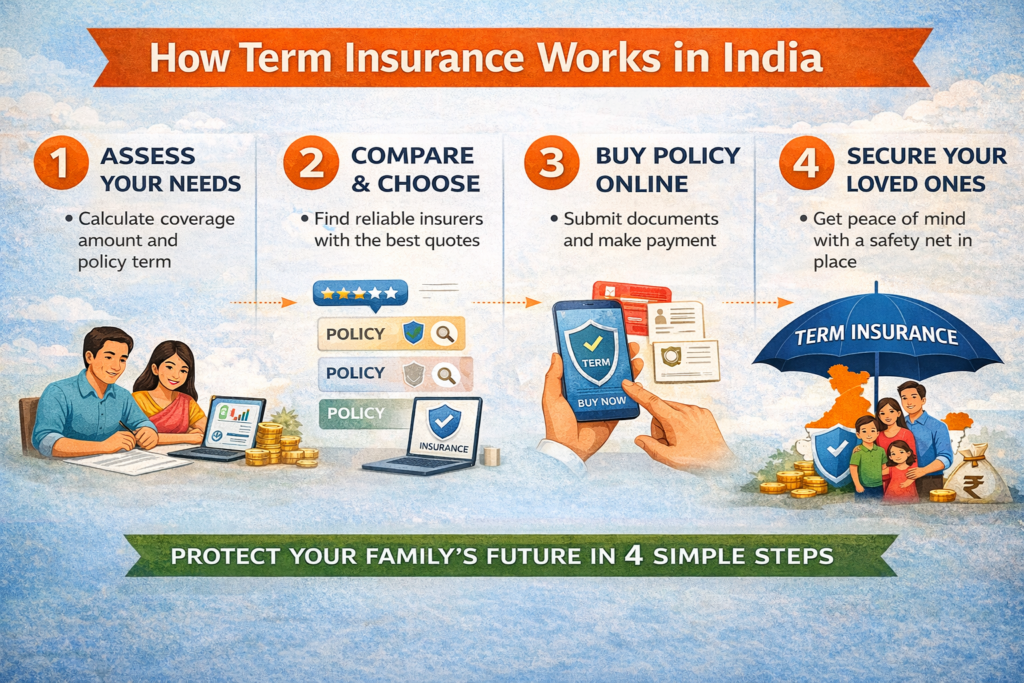
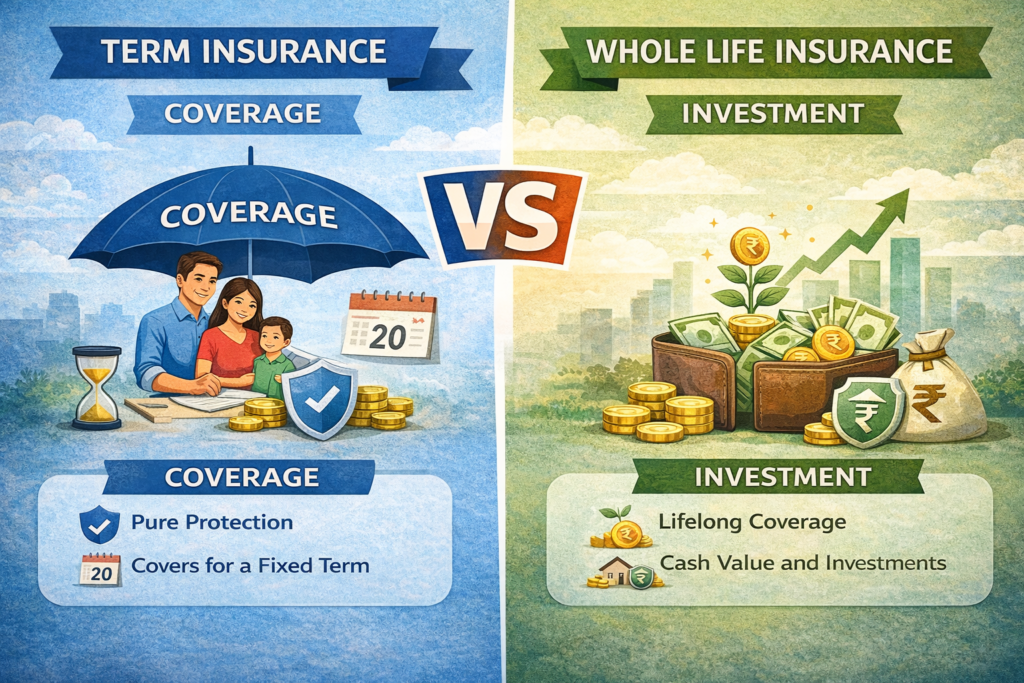
Is term insurance worth it in India? This is one of the most common questions people ask when planning their finances. With rising living costs and financial responsibilities, understanding whether term insurance is truly valuable has become more important than ever.
To answer clearly, is term insurance worth it in India depends on your financial situation, responsibilities, and long-term goals. But for most individuals, especially those with dependents, the answer is often yes.
Understanding the Reality of Insurance in India
Before deciding if term insurance is worth it in India, it’s important to understand the current insurance landscape. According to industry data, insurance penetration in India is only around 3.7% of GDP, which is significantly lower than global averages. (Angel One)
This means a large portion of the population is still uninsured or underinsured. As a result, families often face financial difficulties in case of an unexpected loss.
This alone highlights why many experts believe term insurance is worth it in India.
Pros of Term Insurance (With Real Insights)
1. High Claim Settlement Ratios
One of the strongest reasons why term insurance is worth it in India is reliability. Many leading insurers have claim settlement ratios above 96–99%, indicating a high probability that claims are paid successfully. (The Economic Times)
A higher claim settlement ratio means your family is more likely to receive the payout when needed.
2. Affordable Yet High Coverage
Term insurance provides large coverage (₹50 lakh to ₹1 crore or more) at relatively low premiums. This makes it one of the most cost-effective financial protection tools available.
For example, compared to investment-linked insurance plans, term insurance focuses purely on protection, making it more affordable.
3. Financial Protection for Families
Is term insurance worth it in India for families? Absolutely. It ensures:
- Daily expenses are covered
- Loans are repaid
- Children’s education continues
In a country where many households depend on a single earning member, this protection becomes crucial.
Cons of Term Insurance
1. No Maturity Benefit
A common concern when asking is term insurance worth it in India is that it does not offer returns if the policyholder survives the term.
However, this is by design — term insurance focuses on protection, not investment.
2. Limited Awareness and Misconceptions
Due to low financial literacy, many people misunderstand term insurance. India’s low insurance penetration reflects this gap.
Many individuals avoid term insurance simply because they expect returns, which is not its purpose.
Real-World Perspective: Is It Worth It?
When analyzing real-world data, the answer to is term insurance worth it in India becomes clearer.
- Insurance coverage in India is still low (under 4% of GDP) (Angel One)
- Top insurers settle over 96%+ claims (The Economic Times)
This shows:
- High need for protection
- High reliability of insurers
Who Should Consider Term Insurance?
If you’re still wondering is term insurance worth it in India, here’s a simple way to decide.
You should strongly consider it if:
- You have dependents
- You have loans
- You are the primary earning member
- You want financial security for your family
When It May Not Be Necessary
Term insurance may not be essential if:
- You have no dependents
- You already have sufficient wealth
- You have no financial liabilities
Final Thoughts
So, is term insurance worth it in India? For most people, the answer is yes. It offers high coverage, strong claim reliability, and financial protection at a low cost.
While it may not provide returns like investment products, its real value lies in securing your family’s future. In a country where financial protection is still developing, term insurance remains one of the smartest and most practical decisions you can make.
Also read: How Much Term Insurance Do You Need in India?
Disclaimer: This article is for educational purposes only and does not constitute financial or legal advice. Insurance products are complex; please consult with a certified advisor before making a final decision.