If you’re wondering about the best age to buy life insurance in India, the simple answer is: the earlier, the better. Most financial experts suggest that the best age to buy life insurance in India is between 20 and 30 years, when premiums are lowest and approval is easiest. However, the ideal timing can vary depending on your income, responsibilities, and financial goals.
Understanding the best age to buy life insurance in India can help you save money and secure your family’s future more effectively. In this guide, we’ll break it down in a simple and practical way.
What Is the Best Age to Buy Life Insurance in India?
The best age to buy life insurance in India is typically in your 20s or early 30s. At this stage:
- Premiums are significantly lower
- Health risks are minimal
- Policy approval is faster
This makes it the most cost-effective time to get insured.
Why Buying Life Insurance Early Is Better
1. Lower Premiums
Life insurance premiums are based on your age and health. The younger you are, the lower the risk for insurers.
For example:
A 25-year-old may pay significantly less than a 35-year-old for the same coverage.
2. Better Policy Options
When you buy early:
- More plans are available
- Fewer medical restrictions
- Higher chances of approval
3. Long-Term Financial Security
Buying life insurance early ensures that your family is financially protected for a longer period.
What Happens If You Delay Buying Life Insurance?
If you delay buying life insurance:
- Premiums increase every year
- Health issues may affect eligibility
- Coverage options become limited
In India, life insurance premiums can increase by around 4% to 8% per year with age, depending on the insurer and health conditions.
This is why understanding the best age to buy life insurance in India is so important.
Best Age to Buy Life Insurance (Comparison Table)
| Age Group | Premium Cost | Risk Level | Recommendation |
|---|---|---|---|
| 20–25 | Very Low | Low | Best time to buy |
| 25–35 | Low | Moderate | Ideal time |
| 35–45 | Higher | Higher | Buy as soon as possible |
| 45+ | Expensive | High | Limited options |
When Should You Buy Life Insurance Immediately?
Even if you’re not in your 20s, you should consider buying life insurance immediately if:
- You have dependents (family, spouse, children)
- You have loans (home loan, personal loan)
- You want financial protection for your family
In these cases, waiting is not a good option.
Which Type of Life Insurance Is Best?
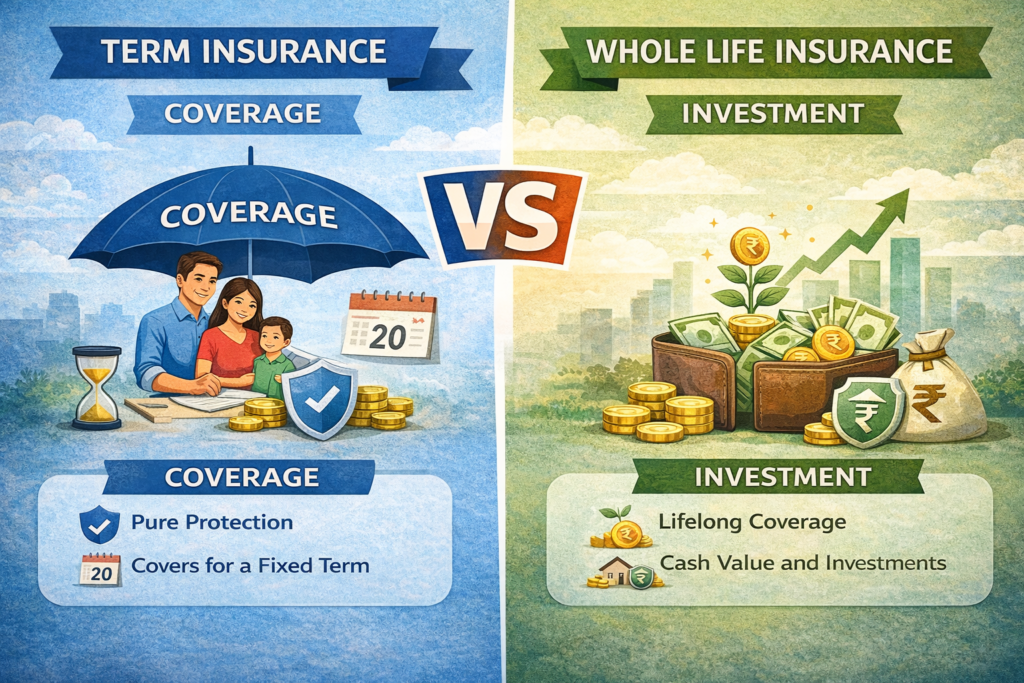
For most people, term insurance is the best option because:
- It offers high coverage at low cost
- It is simple and easy to understand
- It provides pure financial protection
You can also explore other types depending on your goals.
Factors That Affect the Best Age to Buy Life Insurance in India
The best age to buy life insurance in India depends on:
- Your income
- Family responsibilities
- Health condition
- Financial goals
While early purchase is ideal, the “right age” is also about your life situation.
Common Mistakes to Avoid
When deciding the best age to buy life insurance in India, avoid:
- Waiting too long
- Choosing low coverage to save money
- Not reviewing policy terms
- Ignoring long-term needs
Final Thoughts
So, what is the best age to buy life insurance in India? While your 20s and early 30s are considered ideal, the most important thing is not to delay unnecessarily. The earlier you buy, the more you save and the better protection you get.
Understanding the best age to buy life insurance in India helps you make smarter financial decisions and ensures long-term security for your family.
Also read: What Is Term Insurance in India?
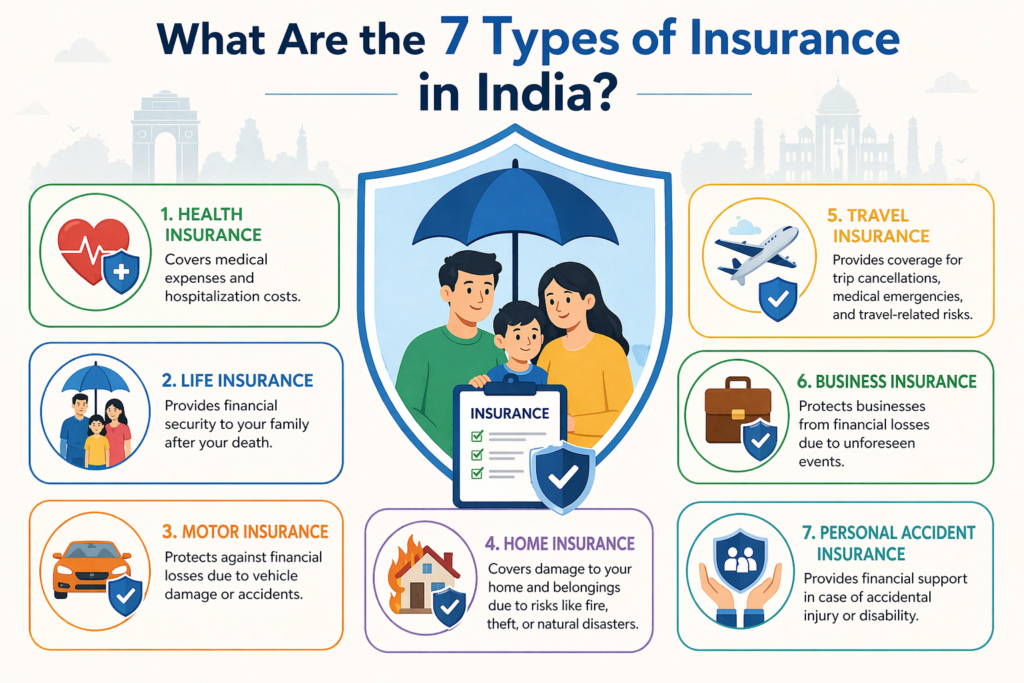
Also read: What Are the 7 Types of Insurance in India?
According to guidelines from the Insurance Regulatory and Development Authority of India (IRDAI), life insurance policies in India are designed to provide financial protection based on age, health, and risk factors.
Disclaimer: This article is for educational purposes only and does not constitute financial or legal advice. Insurance products are complex; please consult with a certified advisor before making a final decision.